Bathroom Remodeling Done Safely in Minneapolis
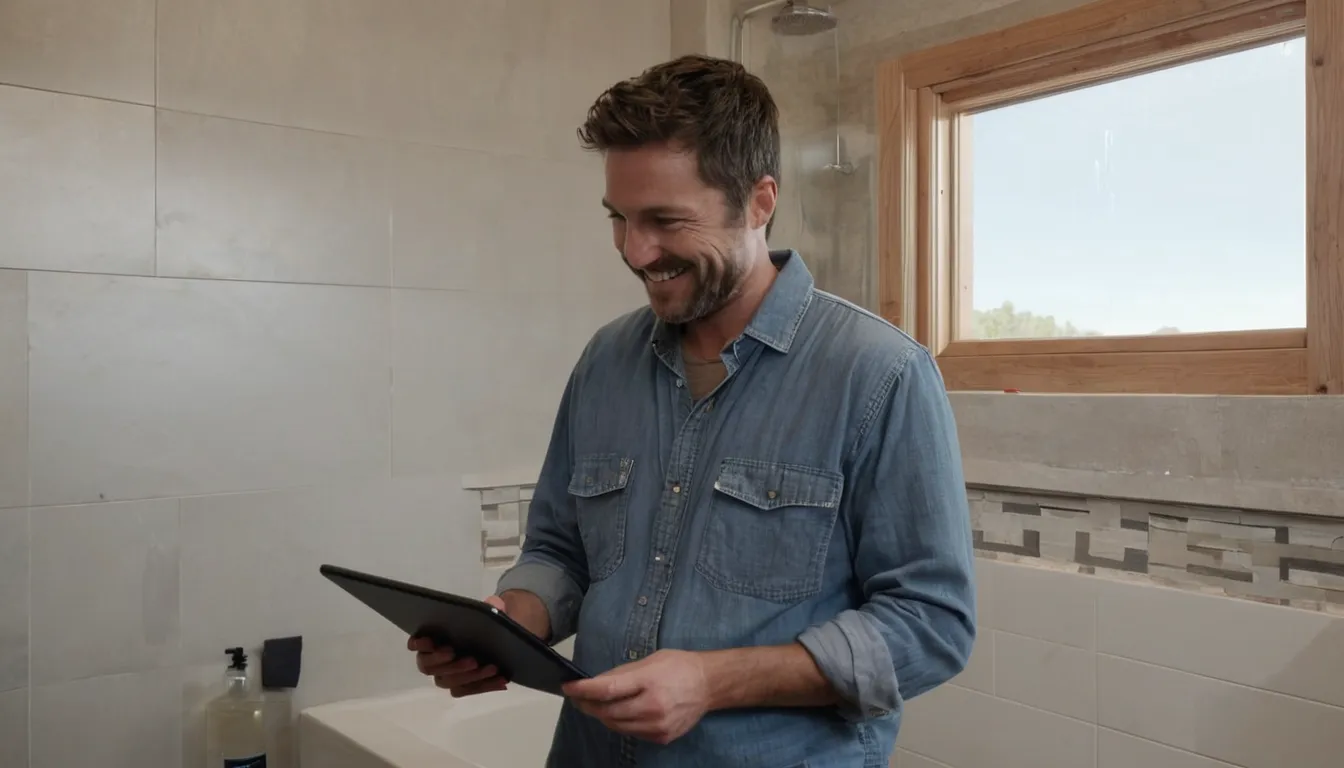
Tradehusband Remodeling is a referral service. We connect homeowners in Minneapolis, MN with independent local providers who handle bathroom remodeling. The providers do the work. We help you start with a clear plan and the right questions.
A bathroom is the hardest-working wet room in a house. Mistakes behind the walls can stay hidden for years. This page explains the warning signs, the safer design choices, the hidden steps that matter, and how to compare providers. It also covers how to plan your project, what to expect while work is underway, and how to care for the finish afterward. Use it to prepare before you hire anyone. Then request an estimate and get every detail in writing, so you know the scope, the materials and the schedule.
Soft Floor or Leaking Tub? Look Here First
Some signs mean stop and check. Do not ignore them.
- A floor that feels spongy near the tub or toilet.
- Stains on the ceiling below the bathroom.
- Tile that rocks, cracks or sounds hollow.
- A musty smell that returns after cleaning.
Do not keep using a shower that leaks into the wall. Water that gets behind the surface can rot framing and feed mold. You do not need a provider just to look around. Turn off the water to the fixture if you can and take photos.
Request a callback to check provider availability for an inspection and a remodel plan.
Signs Your Bathroom Needs More Than a Cleaning
Cleaning fixes the surface. Some problems sit deeper.
- Grout that crumbles or stays dark.
- Caulk that peels again and again.
- Peeling paint or bubbling walls.
- A fan that does not clear the steam.
- Rust at the base of a tub or toilet.
If you see two or more, plan a remodel conversation. Older frame houses and bungalows often have decades of small hidden damage. Humid summers and cold winters add stress to every seam.
Safer, Easier Bathrooms
A remodel is a good time to cut fall risk. Slips in the tub area are a common home injury.
- Do ask about a low-entry or walk-in shower.
- Do ask about a walk-in tub if sitting and soaking matter to you.
- Do plan for solid blocking in the walls so grab bars can be added now or later.
- Do choose slip-resistant floor tile.
- Do not pick glossy, smooth tile for a wet floor.
Good lighting and a wider door also help. These changes help guests, children and anyone recovering from surgery. They also appeal to future buyers.
Types of Bathroom Remodels
Tub-to-shower conversion
A tub is removed and a shower is built in its place. It is one of the most common projects. The drain, waterproofing and floor slope must be right.
Walk-in tub or walk-in shower
These suit people who want easier entry. Ask the provider about door seals, seat height and drain size.
Full custom bathroom renovation
The room is taken down to the framing. Layout, plumbing, wiring, tile and fixtures are redone. This is where custom bathroom renovations shine, and where a written plan matters most.
Luxury bath upgrades
Think steam showers, heated floors, double vanities or freestanding tubs. These add load, power and plumbing needs. Ask the provider to check the floor strength and the electrical panel first.
Planning Your New Bathroom
Start with a home remodel consultation. Bring photos, a rough budget and a list of daily problems.
- Decide what must change and what is only nice to have.
- Choose fixtures before work begins. Late changes cost time and money.
- Ask what the permit covers and who pulls it.
- Get the scope, materials and schedule in writing.
Do not pay a large amount up front. Ask for a payment schedule tied to finished steps.
Hidden Work Behind the Walls
The finish is what you see. The work behind it is what protects you.
- Waterproofing. Shower walls and floors need a proper membrane or a sealed backer. Tile and grout alone do not stop water.
- Slope and drain. The shower floor must slope toward the drain. Flat spots hold water.
- Framing. Rotten joists or studs should be repaired, not covered. Check before you cover.
- Plumbing. Old galvanized or leaking supply lines are smart to replace while the wall is open.
- Electrical. Outlets near water need GFCI protection under current codes.
- Ventilation. A fan that vents outdoors, not into the attic, keeps moisture out of the structure.
Ask the provider to show you photos of these steps before the walls close. Many homes in cold climates also need care with exterior walls, so ask about insulation and vapor control.
Choosing a Remodeling Provider
A provider in our network is independent. You choose who to hire. Compare at least two.
- Ask whether they hold the license your area requires, and verify it with the local office.
- Ask for proof of liability insurance and workers' compensation.
- Ask how they handle surprises like rot or old pipes.
- Ask who does the work: their own crew or subcontractors.
- Read the written quote line by line.
Do not hire anyone who refuses to put terms in writing. Do not skip permits to save time. Unpermitted work can cause trouble when you sell.
Protect the Home and Its Value
Buyers and inspectors look at bathrooms closely. Clean tile lines, solid floors, working fans and permitted work all help. Hidden shortcuts can show up in an inspection report. Keep your quote, permit papers, product details and warranty notes in one folder.
If water damage ever happens, some policies may cover sudden damage, so check your policy. Providers can often help document damage for a claim.
Living With a Bathroom Remodel
Expect noise, dust and a few weeks of limited use. Plan ahead.
- Set up a backup bathroom if you can.
- Keep children and pets away from the work area.
- Cover vents and close doors to limit dust.
- Ask when water will be shut off.
- Walk through the finished job with the provider before final payment.
Maintain the Finish
Upkeep keeps the new bathroom sound.
- Run the fan during and after every shower.
- Wipe the shower walls and floor when you can.
- Re-seal grout as the maker advises.
- Replace cracked caulk right away.
- Do not use harsh abrasives on stone or special finishes.
- Watch for drips under the sink and around the toilet.
Check once each season. Small fixes are cheap compared with a rebuilt wall.
Ready to start? Request a callback to talk about your project and provider availability.
You can also ask for a written plan.
What's Included
Tub and Shower Conversions
A provider can swap a tub for a safer shower with proper waterproofing and drain slope.
Walk-In Options
Walk-in tubs and showers can make entry easier and reduce slipping risk.
Full Gut Renovations
Layout, plumbing, wiring, tile and fixtures are rebuilt to match your plan and local code.
Luxury Bath Upgrades
Steam, heated floors and double vanities are planned with floor and power limits in mind.
Typical Bathroom Remodel Costs
Costs vary by size, materials, layout changes and what is found behind the walls. These are typical U.S. ranges only. Always get a written quote from each provider before you agree to work.
| Project | Typical range | Notes |
|---|---|---|
| Tub-to-shower conversion | $3,500 – $12,000 | Depends on size, tile and waterproofing |
| Walk-in shower build | $5,000 – $15,000 | Custom tile and glass raise the price |
| Walk-in tub installation | $4,000 – $15,000 | Plumbing and electrical needs vary |
| Mid-range full bathroom remodel | $12,000 – $30,000 | Fixtures, tile and layout drive the cost |
| Luxury bath upgrades | $30,000 – $75,000+ | Custom stone, steam and heated floors |
| Hidden repairs (rot, old pipes) | $500 – $5,000+ | Found once walls are opened |
How It Works
Share Your Project
Tell us about the bathroom, the problems you see and what you want to change.
Get Matched With Providers
We connect you with independent local providers who handle projects like yours.
Compare Written Quotes
Review scope, materials, permits and payment terms with each provider before you choose.
Approve and Maintain
Walk through the finished work, keep your papers, and follow simple upkeep steps.
Why Call Tradehusband Remodeling
Safety First
We encourage questions about waterproofing, framing and slip resistance before any tile is chosen or set.
Honest Referrals
Tradehusband Remodeling connects you with independent providers. They do the work, not us.
Written Details
You are urged to get quotes, permits and schedules in writing before work begins.
Long-Term Value
Careful work and simple upkeep help protect the home and its resale.
Other Services
Need bathroom remodeling in Minneapolis?
- Providers for full bathroom and kitchen remodels
- Tub and shower conversions
- Walk-in tubs and showers
- Written quotes, no obligation
Bathroom Remodeling FAQ
How long does a bathroom remodel take?
It depends on the job. A simple tub-to-shower conversion may take several days to a couple of weeks. A full renovation can take several weeks or more. Hidden repairs and material lead times can add time. Ask each provider for a written schedule.
Do I need a permit to remodel my bathroom?
Often yes, especially when plumbing, wiring or walls change. Rules vary by area. Ask the provider who pulls the permit, and confirm with your local building office. Skipping permits can cause problems later when you sell.
Is a walk-in shower safer than a tub?
Many people find a low-entry shower easier to step into, which can lower fall risk. Safety also depends on slip-resistant flooring, good lighting and grab bar blocking. Talk with a provider about your needs.
Request a callback
Tell us about your bathroom or kitchen project. Request a callback to check provider availability, or send a request and a local provider will follow up.
No obligation